AI's Hidden Cost: Are Rising Energy Bills Hurting Your Business?
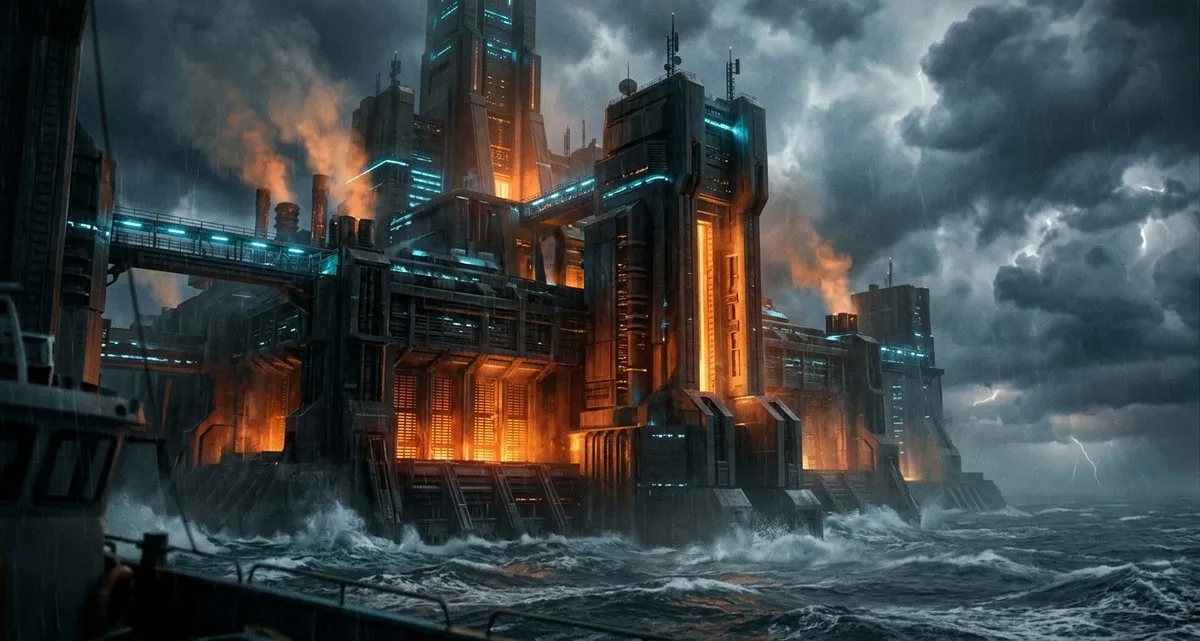
Rising Energy Costs: Is AI Quietly Hurting Your Bottom Line?
Are your electricity bills creeping up? You’re not alone. Behind the scenes, the rapid growth of artificial intelligence (AI) is driving a massive surge in energy demand—and those costs are trickling down to businesses like yours, even if you’ve never used AI.
This isn’t about robots taking over. It’s about the power needed to run them, and how that demand affects everyone’s costs. Let’s break down what’s happening and what it means for your business.
The AI Energy Boom: What’s Going On?
Imagine adding a new, power-hungry factory to the grid—one that never sleeps. That’s essentially what’s happening with data centers, the massive warehouses that power the internet, cloud services, and AI. These centers are consuming more electricity than ever before, and AI is the biggest driver of this increase.
Here’s the scale:
- Data centers currently use 1.5% of all global electricity—enough to power a small country.
- By 2030, that number is expected to double to 3%, as AI and cloud services grow.
- AI alone already accounts for 24% of the electricity used by servers and 15% of total data center energy consumption.
- In 2026, data centers used 415 terawatt-hours (TWh) of electricity globally—that’s more than the entire country of Germany.
- In the US, data centers already consume 4.4% of the country’s total power, and that could rise to 13% by 2030.
Some regions are feeling the strain more than others. In Ireland, data centers now use over 20% of the country’s total electricity. Even in the US, some states already see data centers consuming over 10% of their power.
And the demand keeps growing. Projects like the $500 billion Stargate initiative plan to add 50 gigawatts of power demand—enough to power millions of homes. That’s a lot of pressure on the grid, and it’s not slowing down.
How This Impacts Your Business (and Your Wallet)
You might be thinking, “I don’t use AI—why should I care?” The answer is simple: higher demand means higher costs for everyone. Here’s how this could affect your business:
1. Higher Electricity Bills
More demand means utilities have to generate more power, often at higher costs. Those costs get passed on to businesses and households. Even if you’re not running AI models, you’ll likely see your energy bills rise.
2. Grid Strain and Potential Outages
As the grid struggles to keep up, the risk of localized outages or instability increases. For a bakery, that could mean spoiled ingredients. For a dental clinic, it could mean canceled appointments. For a webshop, it could mean lost sales during peak hours.
3. Hidden Costs in Cloud Services
You might not own a data center, but if you use cloud services (like online storage, email, or website hosting), you’re indirectly paying for their energy costs. As those costs rise, providers may increase their prices, affecting your bottom line.
4. Regional Differences
Some areas are hit harder than others. If you’re in a region where data centers are expanding rapidly (like parts of the US or Europe), you could see bigger increases in your energy bills than businesses in less affected areas.
What You Can Do to Protect Your Business
You don’t need to become an energy expert, but a few smart moves can help you control costs and reduce risks:
For Business Owners (Non-Tech)
- Review your energy usage: Look at your bills and identify where you can cut back. Simple changes—like switching to LED lighting, using smart thermostats, or optimizing heating/cooling—can make a big difference.
- Explore renewable energy: If your utility offers green energy plans or solar incentives, now might be a good time to switch. It could save you money and reduce your reliance on the grid.
- Prepare for outages: Invest in backup power solutions (like a small generator or battery system) if your business can’t afford downtime.
- Negotiate with your utility: Some providers offer discounts for businesses that reduce usage during peak hours. Ask if there are programs you can join.
For IT Managers at Small Businesses
- Choose cloud providers wisely: Some cloud companies are more committed to energy efficiency and renewable energy than others. Look for providers with strong sustainability policies.
- Optimize your IT setup: If you’re running your own servers or storage, consider consolidating or moving to more efficient hardware. Even small changes can reduce energy use.
- Educate your team: Encourage employees to turn off unused devices, use energy-saving modes, and avoid unnecessary data storage (like old emails or files).
- Monitor usage: Use free tools like Google Analytics or energy dashboards to track your IT-related energy consumption and identify waste.
FAQ: What Small Business Owners Are Asking
Q: Will my electricity bill really go up because of AI?
A: Yes, but not overnight. As data centers consume more power, utilities will need to invest in new infrastructure, and those costs will likely be passed on to customers. You might not see a huge jump immediately, but over time, your bills could rise.
Q: I don’t use AI—why should I care?
A: Even if you don’t use AI directly, you’re still connected to the grid. Higher demand from data centers affects everyone’s energy costs. Think of it like a highway: if more trucks (data centers) are using the road, everyone pays for the extra wear and tear.
Q: What’s the easiest way to reduce my energy costs?
A: Start with low-hanging fruit:
- Switch to LED lighting (it uses up to 80% less energy than traditional bulbs).
- Use smart thermostats to optimize heating and cooling.
- Turn off unused equipment (like computers, printers, and lights) at the end of the day.
- Check for energy-saving programs from your utility provider.
The Bigger Picture: What’s Next?
The energy demand from AI and data centers isn’t going away. In fact, it’s expected to keep growing as more businesses and industries adopt AI tools. But there’s good news: utilities and tech companies are already working on solutions to manage this demand more efficiently.
For example, some are using AI itself to optimize energy use—like predicting when to shift power loads to avoid peak times. Others are investing in renewable energy sources (like wind and solar) to reduce reliance on the grid. These changes won’t happen overnight, but they’re a step in the right direction.
For now, the best thing you can do is stay informed and take small steps to reduce your energy use. Even if AI feels like a distant issue, its impact on your electricity bill is very real.
IT Move NL
Whether you run a bakery, a dental clinic, or a small IT team, rising energy costs affect how you do business. At IT Move NL, we help companies of all sizes navigate these kinds of shifts—without the jargon or sales pitch. If you’re wondering how to prepare for what’s next, let’s talk. We’re here to help.
Sources:

He/Him · AWS Certified Solutions Architect | Cloud Engineer @ Essent
Cloud Engineer at Essent B.V. with 10+ years of experience in the tech industry. AWS Certified, passionate about serverless architectures, Infrastructure as Code, and DevOps. Proficient in TypeScript, Python, and Terraform. Based in Amersfoort, Netherlands.
STAY IN THE LOOP
// Cloud, AI & DevOps insights — straight to your inbox.
No spam. Unsubscribe anytime.
// Related articles



Need help with your cloud infrastructure?
Our team of experts is ready to help you navigate the complexities of modern cloud architecture.
Get in Touch