Chick-fil-A Hack: Is Your Customer Data Safe?
Customer Loyalty Programs: A Weak Point for Your Business?
Imagine this: You run a small bakery with a loyalty program. Customers earn points for every coffee they buy, and you store their names, emails, and even partial payment details to make checkout faster. One morning, you discover that dozens of accounts have been drained—points stolen, payment methods removed, and personal data exposed. Not because your system was hacked, but because your customers used the same password for your bakery app as they did for an old online forum that got breached years ago.
This isn’t a hypothetical scenario. It just happened to Chick-fil-A, and it could happen to your business too.
How the Chick-fil-A Hack Worked: It’s Not What You Think
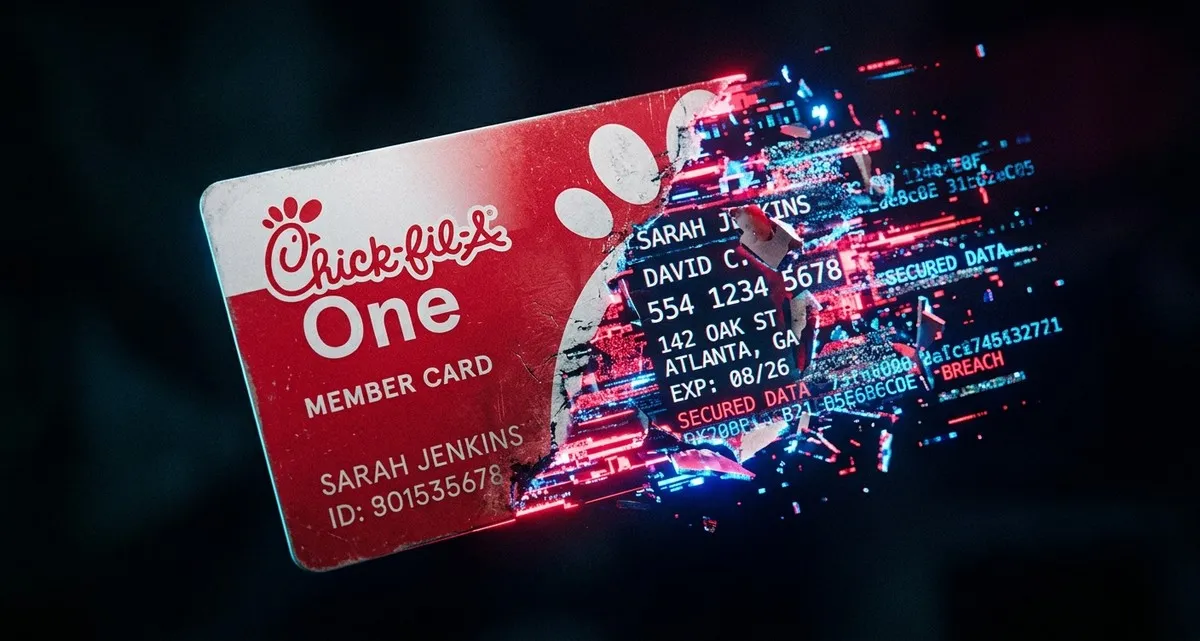
Here’s the surprising part: Chick-fil-A’s main systems weren’t directly attacked. Instead, hackers used a tactic called credential stuffing—a method where they take usernames and passwords stolen from other websites (think old data breaches, phishing scams, or malware) and try them on Chick-fil-A’s loyalty program, Chick-fil-A One. If a customer reused the same password across multiple sites, the hackers gained access.
The attack happened between June 17th and 19th, but Chick-fil-A only discovered it on July 13th. By then, thousands of accounts had been compromised. The company responded quickly—resetting passwords, removing stored payment methods, and restoring drained balances—but the damage was done. Names, email addresses, phone numbers, partial payment card details, and even dates of birth were exposed.
For a large chain like Chick-fil-A, this is a reputational headache. For a small business, it could be devastating.
What Data Was At Risk? And Why Should You Care?
The data stolen in this breach included:
- Names and email addresses (used for phishing scams or spam)
- Membership numbers (could be used to impersonate customers)
- Mobile payment details (risk of unauthorized transactions)
- Partial credit card numbers (enough to cause fraud concerns)
- Addresses and dates of birth (valuable for identity theft)
- Account balances (points or rewards stolen)
The real cost isn’t just the data—it’s trust. If customers lose faith in your ability to protect their information, they’ll take their business elsewhere. And even if your systems aren’t hacked, dealing with the fallout of a breach on another site (like helping customers reset passwords or dispute fraudulent charges) takes time and resources away from running your business.
Why Your Customer Loyalty Program Could Be a Target
Loyalty programs are goldmines for hackers because they collect valuable customer data—and customers often reuse passwords. Here’s why your business could be at risk:
- Customers reuse passwords. If a customer uses the same password for your bakery app as they do for their email, a hacker only needs to crack it once.
- Loyalty programs store sensitive data. Even if you don’t store full credit card numbers, partial payment details, addresses, and phone numbers are still valuable to criminals.
- Small businesses are seen as easier targets. Hackers assume smaller companies have weaker security, making them attractive for credential stuffing attacks.
What You Can Do Today to Protect Your Business
You don’t need a cybersecurity expert to take these steps. Here’s what you can do right now:
1. Encourage Strong, Unique Passwords
- What to do: Add a note in your loyalty program sign-up process: “For your security, please use a unique password for this account.”
- Why it works: This reduces the risk of credential stuffing. If a customer’s password is unique to your site, a breach elsewhere won’t affect them.
2. Offer Multi-Factor Authentication (MFA)
- What it is: MFA is an extra security step, like a code sent to your phone or an authentication app, required after entering a password.
- What to do: Enable MFA for your loyalty program, admin dashboards, or any system that stores customer data. Most platforms (like Shopify, WordPress, or Square) offer this for free.
- Why it works: Even if a hacker gets a customer’s password, they can’t access the account without the second step.
3. Limit Stored Payment Data
- What to do: Avoid storing full credit card numbers. If you must store payment details (like for subscriptions), use a trusted payment processor (like Stripe or PayPal) that handles security for you.
- Why it works: If hackers breach your system, they won’t find full payment details to exploit.
4. Monitor for Suspicious Activity
- What to do: Set up alerts for unusual logins (e.g., multiple failed attempts, logins from new devices or locations). Many platforms offer this feature.
- Why it works: You’ll catch breaches early and can force password resets before damage is done.
5. Educate Your Customers
- What to do: Send a quick email or add a banner on your website: “Security tip: Use a unique password for your [Your Business Name] account to keep your data safe.”
- Why it works: Customers appreciate transparency, and this reduces the chance they’ll reuse passwords.
FAQ: What Business Owners Really Want to Know
Q: “I’m a small business—why would hackers target me?” A: Hackers don’t just target big companies. Small businesses often have weaker security, making them easier targets. Plus, loyalty programs collect valuable data (like email addresses and partial payment details) that can be sold or used for fraud.
Q: “How do I know if my customers’ passwords have been leaked?” A: You can’t check every customer’s password, but you can check if your own email or business accounts have been compromised using free tools like Have I Been Pwned. Encourage your customers to do the same.
Q: “What’s the easiest way to add MFA to my loyalty program?” A: Most platforms (like Shopify, WooCommerce, or Square) have built-in MFA options. Look for “Security Settings” or “Two-Factor Authentication” in your dashboard. If you’re unsure, ask your web developer or IT support to enable it for you.
IT Move NL
Whether you run a local café, a webshop, or a dental clinic, customer trust is everything. A breach like Chick-fil-A’s doesn’t just affect big chains—it’s a reminder that any business with customer accounts is a target. The good news? You don’t need a cybersecurity team to take simple, effective steps to protect your customers (and your reputation).
Need help figuring out where to start? We work with businesses of all sizes to make their digital setup secure and hassle-free. Let’s talk—no jargon, no sales pitch, just practical advice.
Sources:

He/Him · AWS Certified Solutions Architect | Cloud Engineer @ Essent
Cloud Engineer at Essent B.V. with 10+ years of experience in the tech industry. AWS Certified, passionate about serverless architectures, Infrastructure as Code, and DevOps. Proficient in TypeScript, Python, and Terraform. Based in Amersfoort, Netherlands.
STAY IN THE LOOP
// Cloud, AI & DevOps insights — straight to your inbox.
No spam. Unsubscribe anytime.
// Related articles


Need help with your cloud infrastructure?
Our team of experts is ready to help you navigate the complexities of modern cloud architecture.
Get in Touch