Your AI bill could explode overnight – the hidden threat stealing your tokens
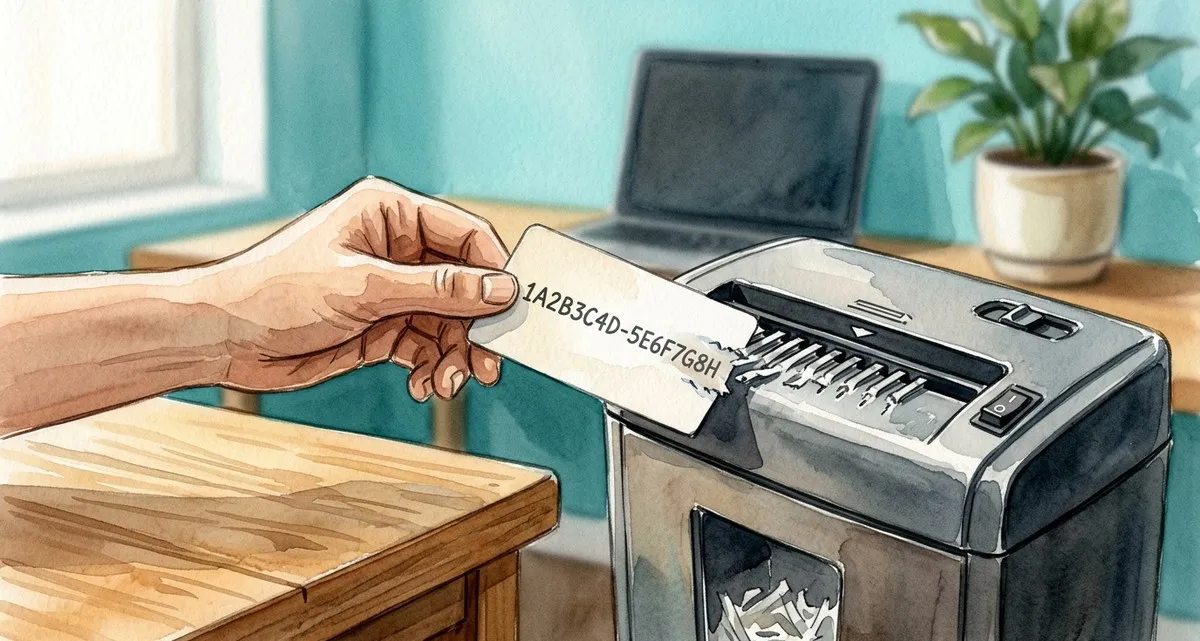
Your AI bill could explode overnight – the hidden threat stealing your tokens
Imagine waking up to an invoice for tens of thousands of euros for AI usage you never authorized. It’s not a nightmare scenario; it’s happening to businesses that rely on AI models for marketing, design, or logistics. The culprit is LLMjacking – the illegal hijacking of your AI API keys. In this article we’ll explain what it is, how criminals get hold of your credentials, the real cost impact, and five concrete steps you can take right now to keep your AI spend under control.
What is LLMjacking?
If the term cryptojacking rings a bell, you already have the right idea. Cryptojacking is when attackers steal computing power to mine cryptocurrency without the owner’s consent. LLMjacking is the AI equivalent: cyber‑criminals use stolen API keys or login credentials to run queries on your AI provider’s models, consuming the tokens (the pay‑per‑use units) that belong to you.
The difference is that AI tokens can be far more expensive than a few watts of electricity. While a cryptojacker might cost a few dollars a month, an LLMjacker can rack up hundreds of thousands of euros in a single day if they tap into high‑capacity models.
How it can blow up your bill
AI providers charge per token – essentially a unit of text processed or generated. A single, complex request to a top‑tier model can consume dozens or hundreds of tokens. When a criminal gains unrestricted access, they can:
- Run massive batch jobs that generate marketing copy, product descriptions, or code.
- Use the AI to scrape and exfiltrate sensitive data you fed into the model.
- Train their own malicious models on your data, consuming even more tokens.
Security researchers have observed daily charges of €46,000 to over €100,000 on compromised accounts that were using the most powerful models. For a small business, that amount could cover salaries, rent, or inventory – and it disappears before you even notice the breach.
How criminals obtain your AI credentials
The most common routes are the same ones that expose any other business account:
| Method | How it works |
|---|---|
| Phishing | Employees receive convincing emails that ask them to log in to a “new AI dashboard” and unwittingly hand over their username and password. |
| Data breaches | If a partner or supplier is breached, attackers may harvest reused passwords or API keys that were stored insecurely. |
| Insider threat | A disgruntled employee or contractor with legitimate access can copy keys and sell them. |
| Mis‑configurations | Cloud storage buckets, code repositories, or CI/CD pipelines left publicly readable often contain API keys in plain text. |
| Credential stuffing | Attackers try leaked username/password combos from other services on your AI portal, hoping you reused credentials. |
Once obtained, the keys are either used directly or sold on underground forums at a steep discount – sometimes advertised as “guaranteed access even if the account is revoked”.
Five concrete defence steps
-
Treat API keys like cash – Store them in a secret‑management system (e.g., HashiCorp Vault, Azure Key Vault) instead of hard‑coding them in scripts or sharing them via email.
-
Enable multi‑factor authentication (MFA) on every account that can generate tokens. An attacker who only has a password still needs the second factor to succeed.
-
Restrict permissions – Give each key the minimum scope it needs (e.g., only the specific model you use). If a key is compromised, the damage is limited.
-
Monitor usage in real time – Set up alerts for spikes in token consumption, unusual request patterns, or usage from unknown IP addresses. Most AI providers offer usage dashboards; integrate them with your existing monitoring tools.
-
Regular audits and employee awareness – Conduct quarterly reviews of who has access, rotate keys, and run simulated phishing tests. A short, practical training session can dramatically reduce the chance of a successful phishing attack.
FAQ
Q: I only use a small AI model for occasional copywriting. Do I still need to worry?
A: Yes. Even low‑cost models can be abused in large volumes. A few thousand automated requests can add up quickly, especially if the attacker switches to a higher‑priced model later.
Q: How can I tell if my AI account has been hijacked?
A: Look for sudden spikes in token usage, requests from unfamiliar locations, or alerts from your provider about “unusual activity”. If you see a bill that doesn’t match your recent work, investigate immediately.
Q: I don’t have an IT department – can I still implement these steps?
A: Absolutely. Many secret‑management tools have simple cloud‑based versions, and MFA can be enabled with a few clicks. If you need help, a trusted partner can set everything up for you.
Protect your AI spend with IT Move NL
The threat of LLMjacking is real, but you don’t have to face it alone. Our Security & Protection service can:
- Audit your AI accounts and discover any exposed keys.
- Enforce strict access controls and MFA across all users.
- Set up real‑time usage alerts so you’re notified the moment a token spike occurs.
- Provide ongoing monitoring and quarterly reviews to keep your defenses up‑to‑date.
Think of us as the friend who watches the back door while you focus on growing your business. Get in touch today, and let’s make sure your AI bill stays predictable – not a surprise you can’t afford.
Sources:

He/Him · AWS Certified Solutions Architect | Cloud Engineer @ Essent
Cloud Engineer at Essent B.V. with 10+ years of experience in the tech industry. AWS Certified, passionate about serverless architectures, Infrastructure as Code, and DevOps. Proficient in TypeScript, Python, and Terraform. Based in Amersfoort, Netherlands.
STAY IN THE LOOP
// Cloud, AI & DevOps insights — straight to your inbox.
No spam. Unsubscribe anytime.
// Related articles



Need help with your cloud infrastructure?
Our team of experts is ready to help you navigate the complexities of modern cloud architecture.
Get in Touch