AI Scams Targeting Returns: How to Protect Your Business
Stop Return Fraud Before It Sinks Your Business
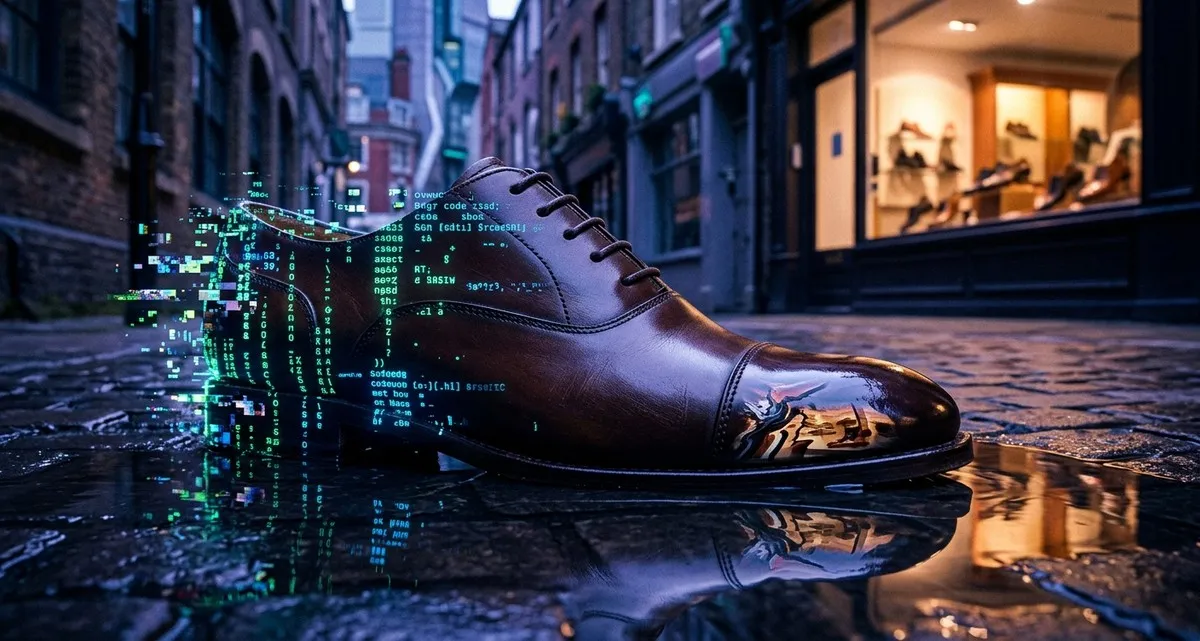
Imagine this: A customer buys a pair of shoes from your online store, wears them to a wedding, and then returns them claiming they arrived damaged. The photos they send look real—wrinkled leather, scuffed soles—but something feels off. You refund them, only to realize later the images were generated by AI. This isn’t a hypothetical scenario; it’s happening right now to businesses like yours.
Fraudsters are using artificial intelligence to create fake evidence—photos, videos, even fake websites—that look indistinguishable from the real thing. If you run a small business, whether it’s a webshop, a clinic, or a local restaurant, these scams could be eating into your profits without you even realizing it. Here’s what you need to know to protect yourself.
The Costly New Wave of Scams
Return fraud isn’t new, but AI has made it easier and more convincing than ever. Here’s how it works:
- Fake damage claims: A customer buys an item, uses it, and then returns it with AI-generated “proof” of damage. The images or videos look real, making it nearly impossible to dispute without advanced tools.
- Wardrobing: This is when someone buys clothing, wears it once (maybe to a special event), and returns it as “unused.” Over half of merchants report dealing with this, and AI is making it harder to catch.
- Free shipping exploits: Some customers admit to buying extra items just to qualify for free shipping, then returning them. AI can help them create fake reasons for returns, like “the item didn’t match the description.”
- Cloned websites: Fraudsters are creating fake versions of popular retail websites. These clones appear in search results from generative AI platforms, tricking customers into buying from them instead of you. For example, fake websites impersonating well-known furniture brands or footwear retailers have recently been spotted in AI-powered search tools.
These scams aren’t just annoying—they’re a direct threat to your business’s survival. Nearly half of retail leaders have considered scaling back operations or shutting down entirely because of return and refund abuse. If you’re not paying attention, your profits could disappear before you even realize what’s happening.
How AI is Supercharging Fraud
AI isn’t just for tech giants anymore—it’s in the hands of fraudsters, too. Here’s why it’s so dangerous for small businesses:
- No technical skills required: Generative AI tools (the kind that create images, text, or videos from simple prompts) make it easy for anyone to create fake evidence. You don’t need to be a hacker; you just need a smartphone and a malicious idea.
- Bypassing your checks: AI-generated “damage” can look incredibly real, fooling even the most careful employees. Traditional fraud detection systems, like manual reviews or basic software, aren’t equipped to spot these fakes.
- Fake websites everywhere: Fraudsters are cloning legitimate websites and ranking them in AI-powered search results. Customers might unknowingly buy from these clones, thinking they’re dealing with a trusted brand. This doesn’t just hurt your sales—it damages your reputation.
- It’s happening now: This isn’t a problem for the future. It’s happening today, and if you’re not prepared, you’re already at risk.
The Numbers Are Alarming
The scale of this problem is staggering. Here’s what the data shows:
- AI-generated damage claims are the fastest-growing type of return abuse, according to recent reports.
- 44% of UK businesses are dealing with returns and refund abuse, and the numbers are rising globally.
- Almost 50% of retail leaders have considered reducing operations or closing their businesses entirely because of the financial strain caused by fraudulent returns.
- 53% of merchants report issues with “wardrobing”—customers wearing items before returning them.
- 30% of consumers admit to exploiting free shipping policies by buying items they never intended to keep.
These numbers aren’t just statistics—they’re warning signs. If your business relies on returns, refunds, or online sales, you’re already a target.
What This Means for Your Business
You might be thinking, “This sounds bad, but how does it affect me?” Here’s the reality:
1. Your Profits Are at Risk
Every fraudulent return is money out of your pocket. If you’re a small business, even a few fake claims can add up quickly, cutting into your margins and making it harder to grow.
2. Your Policies Could Be Exploited
Many businesses feel pressured to offer flexible return policies to stay competitive. But if those policies aren’t carefully designed, they can become an open invitation for fraudsters. For example:
- A bakery offering refunds for “damaged” deliveries might find customers claiming their cakes arrived “crushed” when they were fine.
- A clinic selling skincare products online might face fake claims that items arrived “expired” or “opened.”
- A restaurant with a generous refund policy for takeout orders could see customers claiming their food was “cold” or “missing items” when it wasn’t.
3. Your Reputation Is on the Line
Dealing with fraudulent claims takes time and energy—time you could be spending on real customers. If your staff is constantly tied up disputing fake returns, your legitimate customers might notice the drop in service quality. Worse, if fraudsters clone your website, customers might unknowingly buy from them, thinking they’re dealing with you. When they don’t receive their order, your business gets the blame.
4. Your Long-Term Viability Is at Stake
Almost half of retail leaders have considered scaling back or shutting down because of return fraud. If you’re not proactive, this could be the reality for your business, too.
What You Can Do Today
You don’t need to become an AI expert or hire a cybersecurity team to protect your business. Here are some practical steps you can take right now:
1. Review Your Return Policies
- Set clear rules: Define what counts as “damaged” or “unused.” For example, if you sell clothing, specify that tags must remain attached for a return to be valid.
- Require proof: Ask for photos or videos of the item in its original packaging before processing a return. This makes it harder for fraudsters to use AI-generated images.
- Limit free returns: Consider requiring customers to pay for return shipping, or offer store credit instead of refunds for certain items.
2. Monitor Your Online Presence
- Search for clones: Regularly check AI-powered search tools and search engines for fake versions of your website. If you find one, report it immediately.
- Use Google Alerts: Set up alerts for your business name so you’re notified if someone creates a fake website or social media profile impersonating you.
- Educate your customers: Remind them to double-check URLs and look for signs of legitimacy, like secure payment options (e.g., HTTPS) and verified contact information.
3. Invest in Better Fraud Detection
- Manual reviews aren’t enough: If you’re relying on employees to spot fake claims, you’re already behind. Consider tools that analyze images, videos, and text for signs of AI manipulation.
- Use two-factor authentication (2FA): This adds an extra layer of security for your website and customer accounts. For example, require a code sent to a customer’s phone before processing a return.
- Track high-risk items: If you sell high-return items like clothing, electronics, or jewelry, keep a closer eye on returns for those products.
4. Train Your Team
- Teach them what to look for: Train your staff to spot red flags, like customers who return items frequently, provide vague descriptions of “damage,” or refuse to send photos of the item in its original packaging.
- Create a fraud response plan: Decide in advance how you’ll handle suspicious returns. For example, will you require additional proof? Will you escalate to a manager? Having a plan in place saves time and reduces stress.
FAQ: What Small Business Owners Are Asking
Q: How can I tell if a return claim is fake?
A: Look for inconsistencies. Does the customer’s story change? Are the photos blurry or overly perfect? Does the item show signs of wear that wouldn’t happen during shipping? If something feels off, trust your instincts and ask for more proof.
Q: What if fraudsters clone my website? How do I stop them?
A: First, report the fake site to the hosting provider and search engines. Then, warn your customers through your social media channels and email list. Consider adding a banner to your website alerting visitors to the scam.
Q: Are there tools to help me detect AI-generated fraud?
A: Yes, but they’re not foolproof. Some tools analyze images and text for signs of AI manipulation, but they can’t catch everything. Your best defense is a combination of technology and human judgment—train your team to spot red flags and use tools as a backup.
IT Move NL
Whether you run a webshop, a clinic, or a local café, fraud affects how you do business online. At IT Move NL, we help business owners like you navigate these challenges—no jargon, no sales pitch, just practical solutions. If you’re not sure how to protect your business from AI scams, let’s talk. We’re here to help.
Sources:

He/Him · AWS Certified Solutions Architect | Cloud Engineer @ Essent
Cloud Engineer at Essent B.V. with 10+ years of experience in the tech industry. AWS Certified, passionate about serverless architectures, Infrastructure as Code, and DevOps. Proficient in TypeScript, Python, and Terraform. Based in Amersfoort, Netherlands.
STAY IN THE LOOP
// Cloud, AI & DevOps insights — straight to your inbox.
No spam. Unsubscribe anytime.
// Related articles


Need help with your cloud infrastructure?
Our team of experts is ready to help you navigate the complexities of modern cloud architecture.
Get in Touch