Online Fraud: How to Protect Your Dutch Business
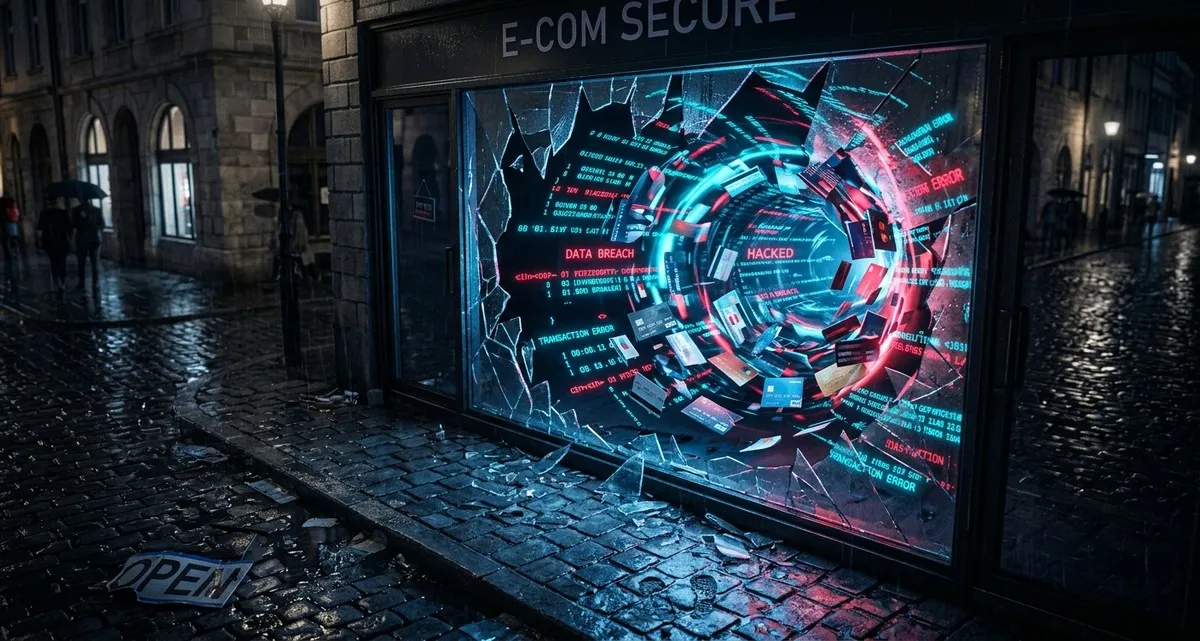
Your online store is growing—orders are coming in, customers are happy. But behind the scenes, a quiet threat is getting smarter: fraudsters using stolen card details to place orders without ever touching the physical card. This is called card-not-present (CNP) fraud, and it’s one of the fastest-growing risks for European businesses today.
You might think this only happens to big corporations, but the truth? Small businesses are often the easiest targets. Scammers know that smaller shops, clinics, or freelancers might not have the same security tools as a global retailer. And once fraud hits, the damage isn’t just financial—it can hurt your reputation, trigger costly chargebacks, and even lead to higher fees from payment processors.
The good news? You don’t have to fight this alone. Here’s what you need to know—and how to protect your business before it’s too late.
The Invisible Threat: How CNP Fraud Works
Imagine this: A customer places an order on your website for a €200 product. They enter card details, complete the purchase, and everything looks normal. But a week later, the real cardholder disputes the charge. The bank reverses the payment, and you’re left with no product and no money. That’s CNP fraud in action.
This isn’t a rare occurrence. Recent data shows that fraud attempts have surged, with billions in fraudulent transactions disrupted across Europe alone. One large-scale scam, for example, involved over 1,000 merchants and generated millions in illicit revenue—all by tricking customers into signing up for fake subscriptions.
Why is this happening more often?
- Stolen data is everywhere. Data breaches mean criminals have access to millions of card details.
- Scams are getting smarter. Fraudsters now use AI to create more convincing fake websites, emails, or even deepfake voices to trick victims.
- Small businesses are soft targets. Many don’t have advanced fraud detection tools, making them easier to exploit.
How Fraud Affects Your Business
1. Financial Losses
Every fraudulent transaction means lost revenue. But the damage doesn’t stop there. When a customer disputes a charge, you’ll likely face:
- Chargeback fees (often €15–€50 per dispute).
- Lost inventory (if the product was shipped).
- Higher processing fees if your business gets flagged as high-risk.
2. Reputational Damage
Customers don’t care if the fraud was your fault—they just know their card was used without permission. A few bad experiences can lead to negative reviews, lost trust, and fewer repeat buyers.
3. Operational Headaches
Dealing with fraud takes time. You’ll spend hours on the phone with banks, filling out dispute forms, or even dealing with law enforcement. For a small business owner, that’s time you don’t have.
How Scammers Are Getting Smarter (And How to Fight Back)
Fraudsters used to rely on brute-force attacks—trying thousands of card numbers until one worked. Today, they’re more sophisticated:
- AI-powered scams: Criminals use AI to generate realistic phishing emails, fake invoices, or even clone websites to steal card details.
- Social engineering: They impersonate customers, suppliers, or even banks to trick you into authorizing fraudulent payments.
- Network-level fraud: Some scams involve multiple merchants and payment processors, making them harder to trace.
The good news? Payment networks and banks are fighting back with their own AI tools. These systems analyze millions of transactions in real time, looking for patterns like:
- Unusual purchase amounts (e.g., a €1,000 order when your average sale is €50).
- Multiple failed payment attempts from the same IP address.
- Orders shipping to addresses that don’t match the cardholder’s billing address.
But you don’t need a team of data scientists to protect your business. Here’s what you can do:
Practical Steps to Protect Your Business
1. Secure Your Website
- SSL certificate: This encrypts data between your website and customers. Look for the padlock icon in the browser bar—if it’s missing, customers (and fraudsters) will notice.
- Update your software: Outdated plugins or payment gateways are easy targets. Set up automatic updates where possible.
2. Use Basic Fraud Detection Tools
- Address Verification System (AVS): This checks if the billing address matches the one on file with the card issuer. It’s not foolproof, but it adds a layer of security.
- Card Verification Value (CVV): Require customers to enter the 3-digit code on the back of their card. This proves they physically have the card.
- Velocity checks: Flag or block multiple orders from the same IP address in a short time.
3. Monitor for Red Flags
- Unusually large orders: Especially from new customers.
- Multiple declined payments: Could indicate someone testing stolen card details.
- Rush shipping to unusual locations: Fraudsters often want the product fast, before the cardholder notices.
4. Educate Your Team
- Train employees to spot phishing emails (e.g., fake invoices or “urgent” payment requests).
- Set clear policies for refunds and chargebacks—don’t let fraudsters exploit loopholes.
5. Work with Your Payment Processor
- Many processors offer free or low-cost fraud tools. Ask about:
- 3D Secure (3DS): An extra authentication step (like a one-time code sent to the customer’s phone).
- Fraud scoring: Some processors assign a risk score to each transaction—you can set rules to block high-risk orders.
FAQ: What Business Owners Ask About Fraud
“I’m a small business—do I really need to worry about this?”
Yes. Fraudsters target businesses of all sizes, but small businesses are often less prepared. A single fraudulent transaction can cost you hundreds—or even thousands—of euros in lost revenue and fees.
“What’s the difference between fraud and a chargeback?”
- Fraud: A criminal uses stolen card details to place an order.
- Chargeback: The real cardholder disputes the charge, and the bank reverses the payment. You lose the product and the money.
“Can’t I just refund the customer and move on?”
Refunding a fraudulent transaction doesn’t protect you from chargebacks. Once the bank gets involved, the money is often gone for good—even if you refund it.
IT Move NL
Running a business is hard enough without worrying about fraud. Whether you’re a shop owner, a clinic manager, or a freelancer, these threats affect how you do business online—and how you protect your customers.
If you’re not sure where to start, we help businesses of all kinds navigate digital security. From setting up fraud tools to choosing the right payment processor, we’re here to help—without the jargon. Reach out here if you’d like to talk through your options. No sales pitch, just practical advice.
Sources:

He/Him · AWS Certified Solutions Architect | Cloud Engineer @ Essent
Cloud Engineer at Essent B.V. with 10+ years of experience in the tech industry. AWS Certified, passionate about serverless architectures, Infrastructure as Code, and DevOps. Proficient in TypeScript, Python, and Terraform. Based in Amersfoort, Netherlands.
STAY IN THE LOOP
// Cloud, AI & DevOps insights — straight to your inbox.
No spam. Unsubscribe anytime.
// Related articles



Need help with your cloud infrastructure?
Our team of experts is ready to help you navigate the complexities of modern cloud architecture.
Get in Touch