Your Business Could Be Sending Money to Fraudsters Tomorrow – How to Stop It Now
Intro – A Threat You Might Not See
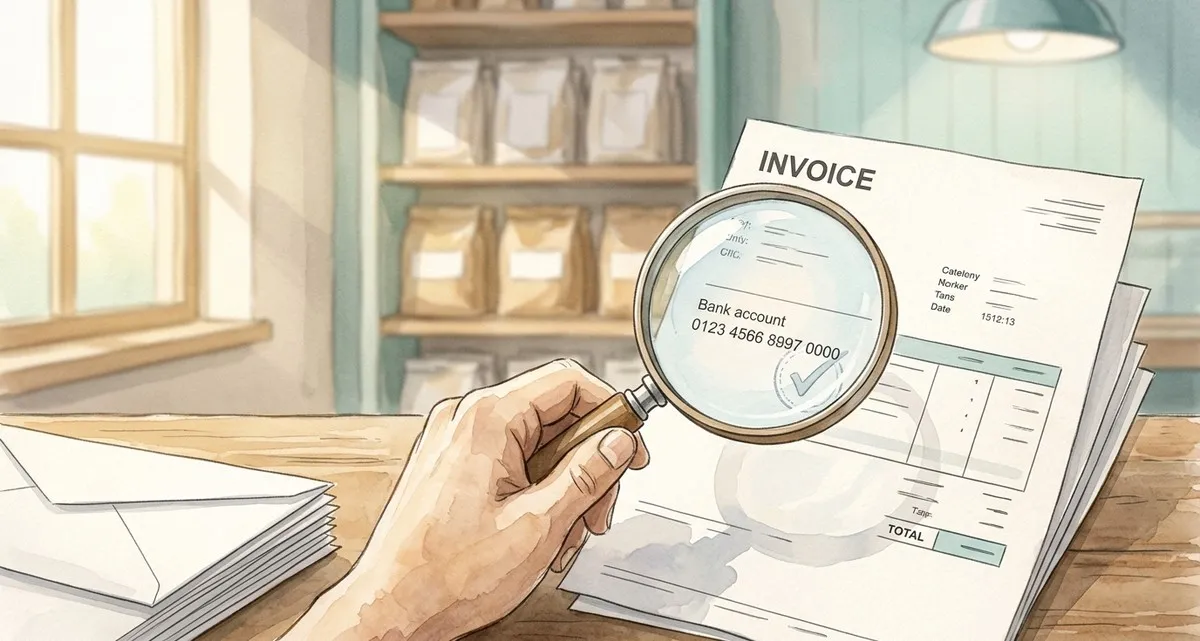
Imagine you’ve just approved an invoice for a fresh batch of flour for your bakery. The numbers look right, the supplier’s name matches your records, and you click “pay.” A few days later you discover the money landed in an unknown account and the real supplier never received it. Payment fraud can happen to any small business, and the damage is immediate – lost cash, disrupted operations, and a headache you never signed up for.
Payment fraud prevention: why the Basware‑Trustpair deal matters
Basware announced it will acquire Trustpair, a company that validates supplier bank accounts using automated checks. The deal merges Basware’s invoice‑lifecycle platform with Trustpair’s technology that confirms a bank account really belongs to the intended supplier, both when a new vendor is onboarded and whenever account details change. The acquisition is expected to close later in 2026.
While the news is about two large vendors, the underlying message is clear for every business owner: protecting the payment step is becoming as important as protecting the invoice itself.
Why Payment Fraud Matters to Small Businesses
- Cash flow is king. A single fraudulent payment can wipe out a week’s worth of revenue for a small retailer or a dental clinic.
- Reputation risk. If a supplier is paid the wrong amount, you may lose trust and face delays in receiving essential goods or services.
- Regulatory pressure. European anti‑money‑laundering rules require businesses to demonstrate that they have reasonable controls to prevent illicit payments.
The most common method is supplier account impersonation (when fraudsters pretend to be your supplier by sending a fake bank‑account number). Cybercriminals compromise a supplier’s email or hack a legitimate invoice, then send a new bank‑account detail that looks authentic. Because the invoice itself appears correct, the fraud often goes unnoticed until the money is already gone.
Practical payment fraud prevention steps for small businesses
1. Start with Manual Verification (but don’t rely on it alone)
- Ask for a secondary confirmation. When a new supplier is added, request a phone call to a known number to confirm the bank details.
- Cross‑check with existing records. Compare the new account number with any previous invoices or contracts you have on file.
2. Automate Supplier Account Validation
- Use a dedicated validation tool. Solutions that check the bank account against official registries can flag mismatches instantly.
- Integrate with your ERP or accounting software. Many platforms allow a plug‑in that runs the check each time a vendor is added or edited.
3. Monitor Changes Continuously
- Set up alerts for account updates. If a supplier’s bank details are altered, the system should notify the finance team before any payment is processed.
- Review payment patterns. Sudden spikes or payments to new accounts that deviate from normal behaviour should trigger a manual review.
4. Train Your Team
- Teach staff to recognise phishing (a fake email that tries to trick you into revealing information) cues. A common trick is a “urgent” email from a familiar supplier asking for a new account number.
- Create a simple checklist. Before any payment, verify that the account has passed an automated check and that the change was authorised.
5. Adopt End‑to‑End Verification
Traditional invoice‑fraud tools stop fake invoices, but they don’t protect the payment step. An end‑to‑end solution validates the supplier’s bank details throughout the entire invoice‑to‑payment journey, from onboarding to the moment the money leaves your bank. This layered approach dramatically reduces the chance that a legitimate invoice ends up in the wrong hands.
Automated payment fraud prevention tools
- Real‑time bank‑account verification services
- Continuous monitoring platforms that flag unusual changes
- Integrated plugins for popular accounting systems
FAQ
Q: What is the best payment fraud prevention method for a small business?
A: Use automated supplier‑account validation combined with continuous monitoring and staff training.
Q: How can I tell if a supplier’s email has been compromised?
A: Look for subtle changes in the sender’s address, unexpected attachments, or urgent language asking for new payment details. When in doubt, call the supplier using a known phone number.
Q: Do I need a fancy AI system to protect my business?
A: Not necessarily, but automated validation tools that use AI can spot patterns humans miss, such as slight variations in account numbers that match known fraud signatures.
Secure your payments with a free IT Move NL review
Payment fraud is a growing invisible threat, but you don’t have to face it alone. At IT Move NL we specialise in Security & Protection, offering account validation, continuous fraud monitoring, and real‑time alerts tailored for small businesses like yours.
Ready to see how safe your payment process really is? We’re offering a free security review of your current workflow. Contact us today, and we’ll help you put practical safeguards in place – so you can focus on growing your business, not chasing lost money.
Sources:

He/Him · AWS Certified Solutions Architect | Cloud Engineer @ Essent
Cloud Engineer at Essent B.V. with 10+ years of experience in the tech industry. AWS Certified, passionate about serverless architectures, Infrastructure as Code, and DevOps. Proficient in TypeScript, Python, and Terraform. Based in Amersfoort, Netherlands.
STAY IN THE LOOP
// Cloud, AI & DevOps insights — straight to your inbox.
No spam. Unsubscribe anytime.
// Related articles


Need help with your cloud infrastructure?
Our team of experts is ready to help you navigate the complexities of modern cloud architecture.
Get in Touch